
Running your first ultra is a mixture of excitement, curiosity, and quiet apprehension. You’ve trained, you’ve read the race information several times, and you’ve probably spent far too long checking the weather forecast. But no matter how much preparation you do, there are always a few things you only really learn once you’re out there on the trail.
Looking back at my first ultra, there are several lessons I wish someone had gently explained before I stepped up to the start line.
Start slow. Then get slower.
This might be the single most important piece of advice for a first ultra.
At the start of any race, adrenaline is high and everyone feels fantastic.
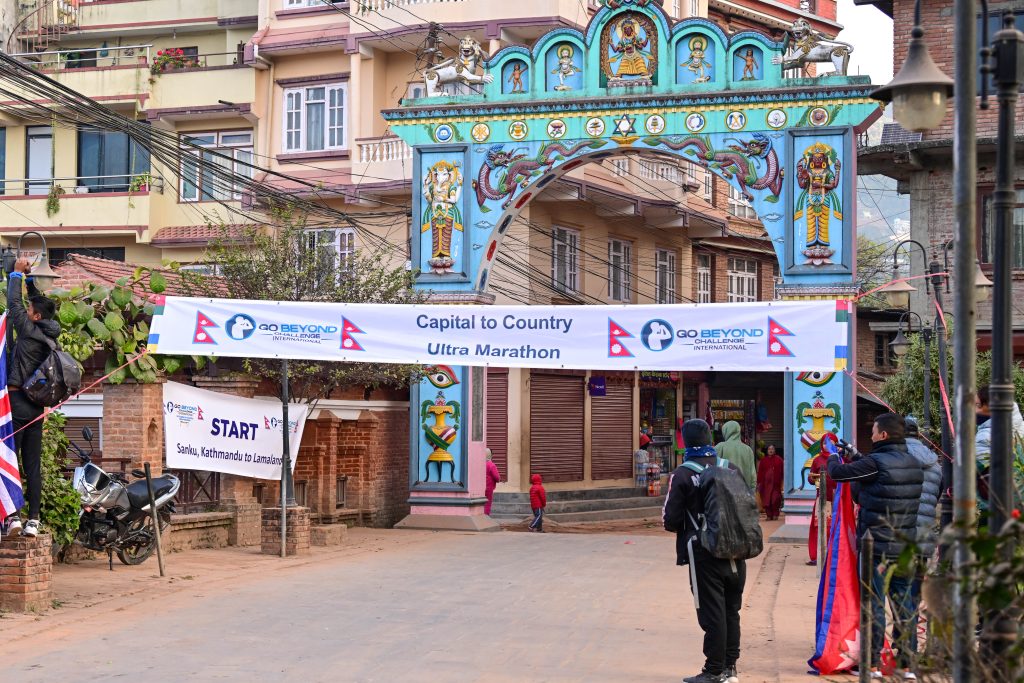
Runners surge away from the line full of energy, chatting happily and moving at a pace that feels effortless. The problem is that what feels effortless in the first few miles can become very costly later on.
In an ultra, patience pays dividends. The goal is not to bank miles early; it’s to preserve energy for the later stages of the race. Starting slowly — slower than feels natural — gives your body time to settle into a sustainable rhythm. And when the miles begin to accumulate, that restraint often proves invaluable.
If anything, the ideal pacing strategy for an ultra might be summed up as: start slow, then get slower.
It sounds counterintuitive, but it works.
Fuel early and keep fuelling

Nutrition is another area that surprises many first-time ultra runners.
Unlike shorter races, ultras require consistent energy intake over many hours. Waiting until you feel hungry is usually too late. The trick is to begin eating early and then continue regularly throughout the race.
Small amounts of food taken frequently tend to work better than large amounts taken occasionally. Energy bars, gels, fruit, sandwiches, crisps — every runner eventually develops their own preferences. The key is simply to keep the energy flowing.
One helpful habit is to eat while moving whenever possible. Stopping at an aid station to eat can feel tempting, but moving steadily forward while fuelling helps maintain progress and momentum.
Beware the pain cave
At some point during an ultra, things may become uncomfortable. Legs tire, feet complain, and the mind begins to wander into what runners sometimes call the “pain cave.”
But these moments are often temporary. Many runners find that discomfort rises and falls like a tide. A difficult patch can ease after a short walk break, a change of terrain, or a quick refuel.
The important thing is not to panic when things feel tough. Almost every ultra runner experiences these moments, and they usually pass.
Run with people when you can
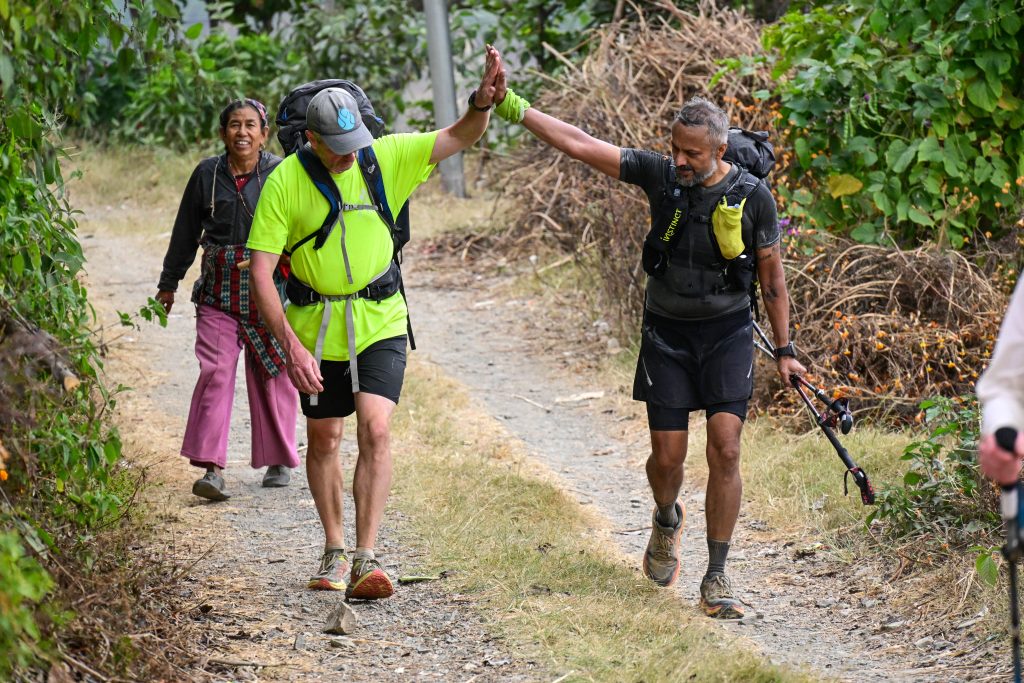
One of the unexpected joys of ultra running is the people you meet along the way.
Running alongside someone for a few miles can transform the experience. Conversation distracts from fatigue, stories are shared, encouragement is exchanged, and suddenly several miles have passed almost unnoticed.
Of course, there will also be long stretches of quiet running, but those shared moments often become some of the most memorable parts of the day.
It’s remarkable how quickly strangers can become companions somewhere between mile 15 and mile 30.
Try not to stop too long
Aid stations are wonderful places — full of friendly volunteers, food, encouragement, and sometimes chairs that look dangerously comfortable.
But sitting down can be a trap.
Once you stop moving for too long, your body quickly begins to stiffen up. Starting again after a long rest can feel surprisingly difficult. Many experienced runners therefore keep aid station visits brief: refill bottles, grab food, say thank you, and continue down the trail.
Forward progress, however slow, is usually your friend.
Choose your first ultra wisely
One final lesson I learned the hard way concerns race distance.
For reasons that now seem slightly optimistic, I decided that my first ultra should be 100 kilometres. The race was the wonderful Race to the Stones, but looking back I realise that jumping straight to that distance was perhaps a little ambitious.
A 50K ultra would probably have been a wiser starting point. It still provides the full ultra experience but is a little more forgiving for first-time runners.
Completing that first 100K was certainly memorable, but it was also demanding enough that I didn’t run another ultra for almost two years afterwards.
Sometimes it’s better to build up gradually.
The finish line is enough

Despite all the lessons learned along the way, the most important thing to remember before your first ultra is very simple: finishing is an achievement in itself.
You don’t need to chase a time. You don’t need to compare yourself to other runners. Crossing the finish line after travelling such a long distance under your own power is something to be proud of.
And once you’ve done it, you may find yourself thinking the same thing many ultra runners eventually do:
That was hard… but it was also rather wonderful.