
Running Safely: Simple Habits That Keep You Confident on Every Run
Have you ever set out for a run just as the was setting (a lovely time to head out I reckon) and suddenly realised you’re half invisible to traffic? Or maybe you left the house without your phone and prayed you wouldn’t twist an ankle? Running may well be the ultimate in freedom, but it only feels truly free when you know you’re safe.
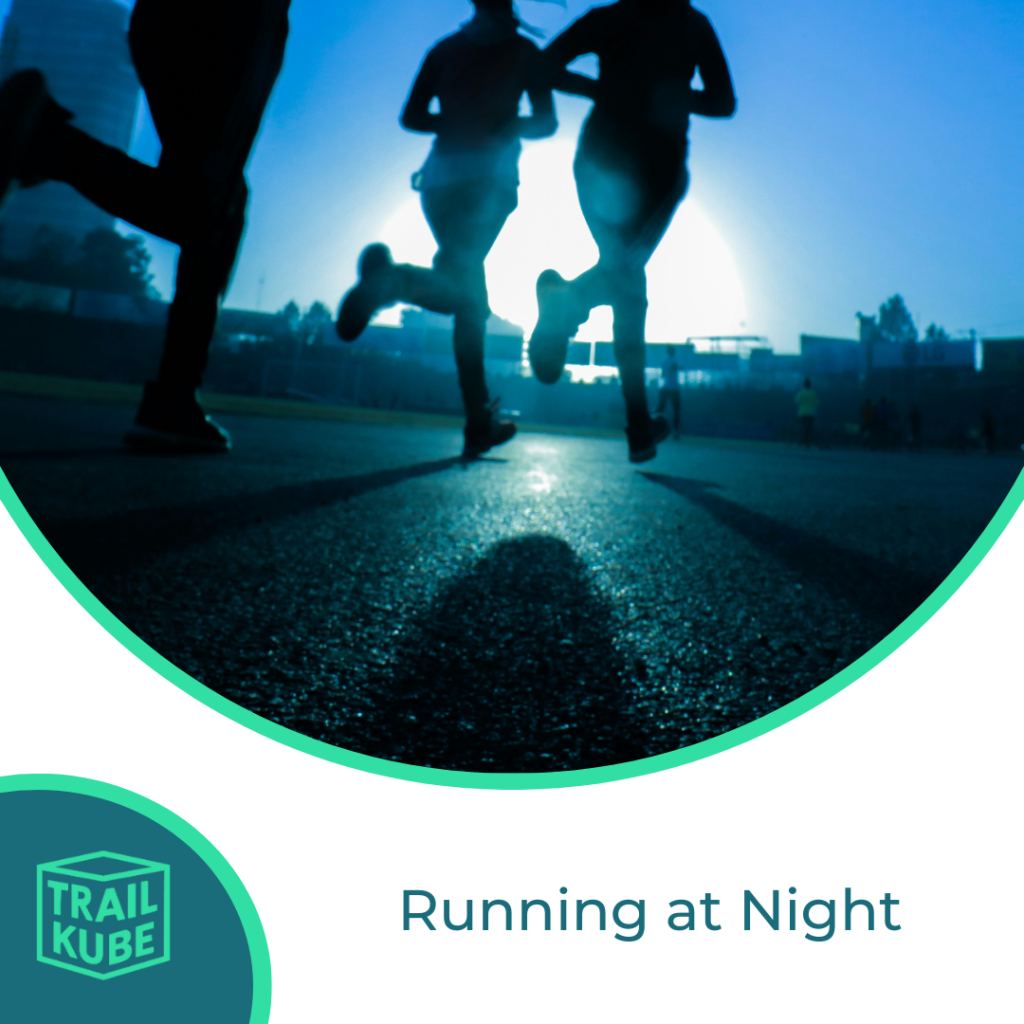
On one of my early winter training runs, I remember heading out in nothing but a dark jacket (shorts and trainer too of course). Within minutes I’d had two close calls with cars pulling out of junctions. One suddenly started up without using its indicators, which rather shocked me, and another didn’t have its lightsd on – I couldn’t see it! I, too, was practically invisible. Lessons learned: I now make sure I put in bright and reflective top when I’m running in the dark and near dark, and don’t trust cars (or, more precisely – drivers.)
Another time, I’d set out on a run thinking I’d be back in an hour. Two hours later, Helen (my partner) was wondering whether to call the emergency services. All because I’d left no note of where I was going. These little slip-ups taught me the hard way that safety isn’t just common sense — it’s planning.
Here are some practical tips I’ve learned (sometimes the hard way):
1. Be seen.
- Wear hi-viz clothing or a reflective vest, even on overcast days.
- At night or early morning, pair a head torch with a red rear light. You want to be visible from every angle.
2. Think about terrain.
- Stick to well-lit pavements (some of them around me are so full of mumps, bumps, and dodgy paving slabs that can send you to the floor all too easily) or designated park paths (even here watch out for fallen branches, mole hills and rabbit holes) if you’re in urban areas.
- If you’re on trails (unlikely in the dark but always possible if your training demands it), know the route and check weather conditions.
3. Road sense matters.
- Run against traffic so you can see cars coming. It amazes me how many folk run with their back to the traffic – you are asking for trouble, especially if you have headphones on and are in the middle of a podcast.
- Cross at sensible points, not on blind bends.
4. Look after your feet.
- The right footwear makes all the difference for grip and joint safety.
- Don’t wait until your shoes are worn out — poor tread can be dangerous, you’ll slip and slide – especially on frosty pavements, I know I have at times!
5. Take your phone.
- Emergencies happen. A twisted ankle or sudden weather change is a lot easier to handle with a phone.
- Store an “ICE” (In Case of Emergency) contact in it, just in case.
6. Tell someone.
- Let a friend or family member know your planned route and how long you’ll be gone.
- For longer runs, apps like Strava or Garmin LiveTrack can share your location in real-time.
7. Hydration and ID.
- Carry a small bottle, or at least know where water is available.
- Pack a lightweight ID card or wristband with your name and emergency contact.
4. Wrap-Up / Encouragement
Running should give you confidence, not worry. A few small safety habits mean you can focus on the miles ahead, not what might go wrong. You don’t need to be paranoid — just prepared.
Remember: the safer you feel, the freer you run.
Photo by Fitsum Admasu on Unsplash